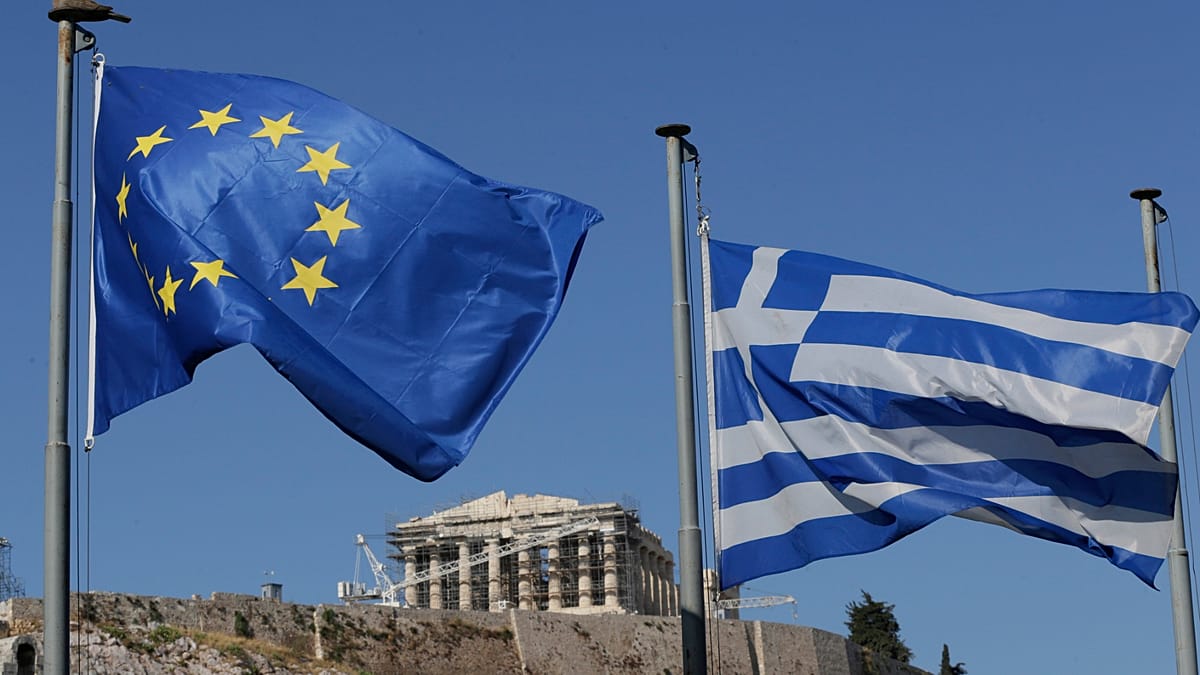
Our platform helps users follow stock markets through earnings insights, technical analysis, and financial news coverage. Greece’s primary budget surplus reached €5.175 billion in the first quarter of 2026, more than double the €2.298 billion target. The finance ministry cautioned that one-off transfers and early fund receipts inflated the headline figure, suggesting underlying fiscal performance may be less robust than the raw numbers indicate.
Live News
- Greece’s primary budget surplus for Q1 2026 reached €5.175 billion, more than double the €2.298 billion target set in the budget plan.
- The finance ministry attributed the overshoot to one-off transfers and early receipts from European funds, which are not expected to recur in later quarters.
- Excluding these exceptional items, the underlying surplus is likely much lower, though the ministry did not provide a stripped-down figure.
- The strong start to the year gives the government some fiscal room, but full-year targets remain challenging given planned spending increases.
- The data may influence Greece’s position in negotiations with EU partners over future fiscal rules and potential debt relief.
Greece's Q1 Budget Surplus Surges Past Forecast, Fueled by One-Off InflowsSome traders rely on alerts to track key thresholds, allowing them to react promptly without monitoring every minute of the trading day. This approach balances convenience with responsiveness in fast-moving markets.Monitoring commodity prices can provide insight into sector performance. For example, changes in energy costs may impact industrial companies.Greece's Q1 Budget Surplus Surges Past Forecast, Fueled by One-Off InflowsSeasonal and cyclical patterns remain relevant for certain asset classes. Professionals factor in recurring trends, such as commodity harvest cycles or fiscal year reporting periods, to optimize entry points and mitigate timing risk.
Key Highlights
Greece’s government posted a primary budget surplus of €5.175 billion in the first three months of 2026, far exceeding the official target of €2.298 billion, according to data released by the finance ministry. The result marks a significant outperformance compared to both the budget plan and market expectations.
However, the ministry noted that the headline figure was boosted by several non-recurring factors. “The surplus includes one-off transfers and early receipts from European funds that were not part of the original budget forecast,” the ministry said in a statement. These extraordinary inflows artificially lifted the surplus, meaning the underlying fiscal position may be narrower than the reported €5.175 billion.
The primary surplus excludes interest payments on Greece’s public debt. The government has been under pressure to maintain fiscal discipline while also funding social spending and investment to support economic growth. The strong first-quarter performance provides some buffer for the remainder of the year, but officials stressed that spending must remain tightly controlled to meet the full-year targets.
Greece’s economy has shown resilience in recent months, supported by a rebound in tourism and improved tax compliance. The better-than-expected budget data could also strengthen Athens’s hand in ongoing discussions with European institutions about post-bailout fiscal rules and debt relief measures.
Greece's Q1 Budget Surplus Surges Past Forecast, Fueled by One-Off InflowsPredictive tools provide guidance rather than instructions. Investors adjust recommendations based on their own strategy.Market participants frequently adjust their analytical approach based on changing conditions. Flexibility is often essential in dynamic environments.Greece's Q1 Budget Surplus Surges Past Forecast, Fueled by One-Off InflowsAccess to multiple perspectives can help refine investment strategies. Traders who consult different data sources often avoid relying on a single signal, reducing the risk of following false trends.
Expert Insights
The Q1 surplus figure, while impressive on the surface, should be interpreted with caution, analysts suggest. The reliance on one-off inflows means the government cannot count on similar windfalls in the coming quarters. If economic growth slows or tax revenues disappoint, the full-year deficit target could come under pressure.
Investors may view the headline number as a positive signal of Greece’s commitment to fiscal responsibility, but the underlying details warrant careful analysis. The ability to meet the annual budget target will depend on sustained economic momentum and disciplined spending control.
European institutions are likely to note the Q1 outperformance in their regular assessments of Greece’s fiscal progress. However, they will probably focus on the adjusted figures and the medium-term outlook rather than the inflated quarterly data. For now, the surplus provides a welcome buffer, but the government must manage expectations and avoid complacency as the year unfolds.
Greece's Q1 Budget Surplus Surges Past Forecast, Fueled by One-Off InflowsInvestors may adjust their strategies depending on market cycles. What works in one phase may not work in another.Real-time monitoring of multiple asset classes allows for proactive adjustments. Experts track equities, bonds, commodities, and currencies in parallel, ensuring that portfolio exposure aligns with evolving market conditions.Greece's Q1 Budget Surplus Surges Past Forecast, Fueled by One-Off InflowsMonitoring derivatives activity provides early indications of market sentiment. Options and futures positioning often reflect expectations that are not yet evident in spot markets, offering a leading indicator for informed traders.